Late booking delays for Hampstead cleaners and solutions
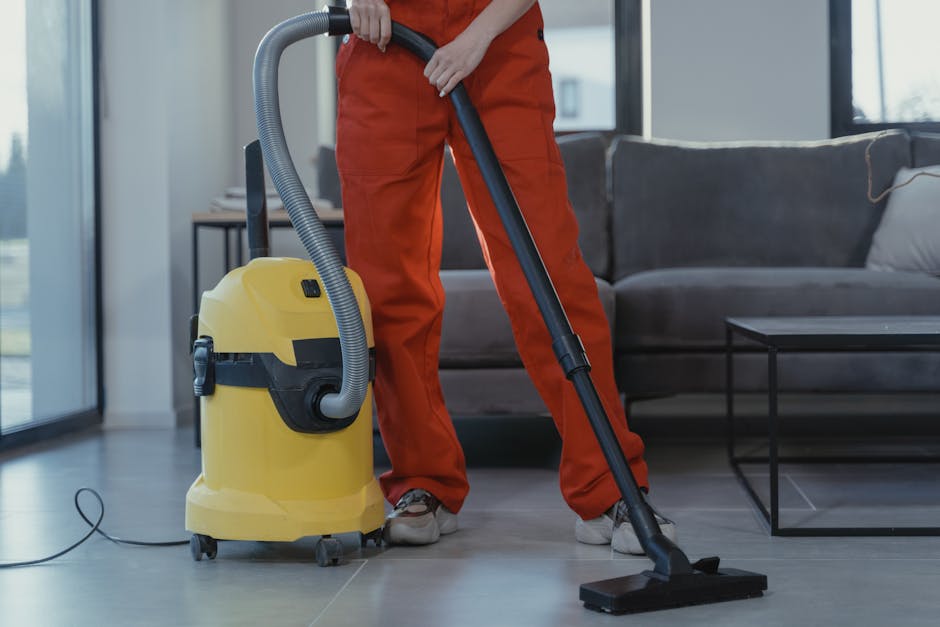
If you have ever tried to arrange a cleaner at short notice in Hampstead, you will know the feeling: one quick booking turns into a bit of a scramble. Late booking delays for Hampstead cleaners and solutions are not just an admin nuisance. They can affect move-out deadlines, guest changeovers, office routines, and even your own peace of mind. The good news? Most delays are understandable, manageable, and often preventable with a few smart steps.
This guide breaks down why late booking delays happen, what they mean in practice, and how to reduce the stress when time is tight. We will also cover realistic solutions, common mistakes, and the small details that make a big difference when you need cleaning help fast.
- Why it matters
- How late booking delays work
- Key benefits and practical advantages
- Who this is for and when it makes sense
- Step-by-step guidance
- Expert tips for better results
- Common mistakes to avoid
- Tools, resources and recommendations
- Law, compliance, standards, or best practice
- Options, methods, or comparison table
- Case study or real-world example
- Practical checklist
- Conclusion
- Frequently asked questions
Why Late booking delays for Hampstead cleaners and solutions Matters
Late booking delays matter because cleaning is often tied to something else with a hard deadline. A tenancy handover, a post-build snagging visit, a family event, a Monday office opening, a school holiday reset, all of it tends to run on the clock. When a cleaner is booked late, even a good team may need to fit you around existing jobs, travel time, parking, and the actual size of the clean.
In Hampstead, that can be a little more noticeable than people expect. Streets can be busy, parking can be awkward, and access instructions sometimes take longer than the job itself if they are unclear. A cleaner arriving ten minutes late is one thing. A slot slipping by half a day because the booking was made the evening before? That is where the real disruption starts.
There is also the trust side. If a booking is rushed, customers may skip over details that matter: what rooms need attention, whether there are fragile surfaces, whether the job is a standard domestic clean or a deep cleaning requirement, or whether the space needs end of tenancy cleaning with a more exact finish. The cleaner then has to guess. And guessing is never ideal, to be fair.
Good solutions are about reducing friction. Clear expectations, realistic timing, and better booking habits make the whole thing smoother. That is the real lesson here.
How Late booking delays for Hampstead cleaners and solutions Works
Late booking delays usually happen for one of four reasons: the slot is already full, the cleaner needs more information before confirming, travel and access details slow things down, or the job turns out to be more complex than it first sounded. Sometimes it is all four. Cleaning businesses do not always say this bluntly, but short notice can compress the whole planning process.
A typical late booking sequence looks like this:
- You request a clean at short notice.
- The provider checks availability, staffing, and travel logistics.
- They may ask for photos, room counts, or a quick description of the property.
- A quote or time estimate is prepared.
- The cleaner confirms or offers the nearest workable slot.
That sounds simple, but every step can introduce delay. For example, if you request a post-renovation clean on a Friday afternoon, but the provider learns only then that it is really after builders cleaning, the required equipment, staff size, and duration may all change. Same address. Very different job.
Solutions work best when they address the delay at the source. If the issue is information, send photos early. If the issue is timing, ask for the earliest realistic slot rather than a vague promise. If access is the bottleneck, provide entry instructions, parking notes, and contact numbers up front. You will notice the difference quickly.
Key Benefits and Practical Advantages
Getting on top of late booking delays is not only about convenience. It can save money, reduce stress, and improve the final result. It also helps the cleaning team do a better job, which sounds obvious until you see how often rushed bookings leave gaps.
Key practical advantages include:
- Fewer missed deadlines: especially for move-outs, property handovers, or office resets.
- Better pricing clarity: when the job is described properly, quotes are less likely to shift later. You can review this through the site's pricing and quotes information before confirming.
- More suitable staffing: a team can send the right cleaner for the right task, whether that is domestic cleaning, office cleaning, or a one-off refresh.
- Less back-and-forth: clearer bookings usually mean fewer calls, fewer emails, and fewer last-minute changes.
- Better outcomes: the cleaner has time to prepare and bring the right kit, rather than improvising in the hallway.
There is a hidden benefit too: confidence. When the booking is handled well, you stop worrying about whether the job will happen at all. That mental relief counts for a lot. Especially when the flat is half-packed, the kettle is in a box, and somebody is due to inspect the place at 9 a.m. tomorrow morning.
Who This Is For and When It Makes Sense
Late booking support is useful for more people than you might think. It is not just for emergencies. It is for anyone whose schedule moved faster than their cleaning plan.
This approach makes sense if you are:
- moving out and need a cleaner before keys are returned
- moving in and want the property fresh before furniture arrives
- managing a last-minute guest stay or rental turnover
- dealing with a burst pipe, dust, or post-work mess
- resetting a busy household after an event or school holiday
- arranging a one-off cleaning visit because regular cleaning has slipped behind
- booking for a business that needs the place decent before staff arrive
It also suits people who already know the job has some complexity. An oven that needs serious attention, for instance, is not the same as a quick wipe-down. If that is the case, look at the relevant service such as oven cleaning or a specialist oven cleaner. Likewise, carpets, rugs, sofas, and windows each have their own rhythm and timing. A one-size-fits-all booking often creates the very delay people were trying to avoid.
For property managers and small businesses, the issue is usually coordination. One late booking can throw off several people. That is why a cleaner with clear availability, sensible lead time, and a strong process matters more than a flashy promise.
Step-by-Step Guidance
If you need to reduce late booking delays, follow a simple process. Nothing fancy. Just practical, and honest about what can be done fast.
- Work out the real deadline. Is it the day before keys are handed over, the morning before a photo shoot, or just a preferred time? The more exact you are, the better the planning.
- List the spaces that matter most. Kitchen, bathroom, bedrooms, hallway, living room, or a specific office area. If a room matters most, say so plainly.
- Describe the condition, not just the size. A small flat can still be a large job if it has grime, renovation dust, or neglected surfaces.
- Send access details early. Entry codes, concierge instructions, parking notes, and any restricted timing should be included before confirmation if possible.
- Ask what can be guaranteed. A reputable provider will explain whether they can offer a precise slot, a time window, or a same-day visit.
- Check the service fit. If it is a special job, make sure the cleaner understands it. For example, carpet care may be better matched with carpet cleaning or a dedicated carpet cleaner.
- Confirm the payment method and booking terms. It is worth checking secure payment handling and cancellation expectations in advance through payment and security and the terms and conditions.
A small tip from real life: save the booking notes in one message rather than scattering them across three texts and a voicemail. It keeps everyone sane. Also helps if the office is busy and the cleaner is halfway through another job.
Expert Tips for Better Results
When you are dealing with short notice, the quality of your communication matters almost as much as the cleaning itself. The clearer the brief, the less time gets lost in follow-up questions.
Here are the habits that make bookings run smoother:
- Share photos of problem areas. One image of a greasy cooker or a dusty skirting board can be more helpful than a paragraph.
- Be honest about the state of the property. Nobody benefits from underplaying the mess. Not you, not the cleaner.
- Book the earliest feasible slot, not the perfect one. In practice, the first workable time often beats waiting for a fantasy slot that disappears anyway.
- Separate essential tasks from nice-to-haves. If time is tight, decide what must be done first.
- Choose the right specialist service. Upholstery, rugs, floors, windows, and ovens each need a different approach. Using the right service page, such as upholstery cleaning or window cleaning, keeps expectations realistic.
- Allow for access and parking time. In Hampstead, this is not a small detail. It can easily be the difference between a smooth start and a frustrating delay.
One practical habit I like is asking, "If the cleaner had only 90 minutes, what would I want them to do first?" That question cuts through a lot of noise. Funny how often it helps.
And if you are booking for a business, keep one person in charge. Not three. Not half the team. One person. It avoids crossed wires and saves time.
Common Mistakes to Avoid
Most late booking problems are not dramatic. They are small mistakes that stack up. Easy to make, easy to fix once you spot them.
- Waiting until the last possible moment. This is the obvious one, but it happens all the time. The job suddenly becomes urgent and the calendar is already full.
- Not saying what kind of cleaning you need. A domestic tidy-up, a deep clean, and an end-of-tenancy clean are different animals.
- Forgetting access details. A locked gate or unclear entry code can waste precious time.
- Assuming every cleaner brings the same equipment. They do not.
- Ignoring specialist needs. Carpets, hard flooring, and oven grime may need dedicated attention from services like hard floor cleaning or oven cleaning.
- Not checking terms before confirming. If there is a cancellation or rescheduling issue, it is better to know early than discover it mid-crisis.
Another common slip: asking for "everything, please" without priorities. The cleaner can do a lot, but not magic. Not on a rushed booking, anyway.
Also, do not hide awkward details. If there is builder dust on the radiators or a sofa that needs more than a surface wipe, say so. It helps the provider plan properly and keeps everyone on the same page.
Tools, Resources and Recommendations
You do not need complicated software to avoid delays. A few simple tools and habits do most of the heavy lifting.
- Your phone camera: quick photos are often the best briefing tool.
- A notes app: keep a running list of rooms, access details, and priorities.
- A calendar reminder: book ahead for known dates like tenancy ends or office reopenings.
- A clear quote request: use the site's pricing and quotes information as a starting point for what you need to mention.
- Service pages for matching the job: for example domestic cleaning, office cleaning, rug cleaning, or sofa cleaning.
For trust and reassurance, it also helps to review the company information before you book. Pages like about us, insurance and safety, and health and safety policy can tell you a lot about how seriously a provider approaches day-to-day work. That does not solve lateness by itself, but it does reduce guesswork.
And if you care about data handling or payment confidence, it is sensible to look at privacy policy alongside payment and security. Small detail, yes. Still worth it.
Law, Compliance, Standards, or Best Practice
Cleaning bookings in the UK are usually shaped more by good business practice than by one single rulebook. That said, there are several standards of care that matter in the real world.
Best practice typically includes:
- clear booking confirmation
- transparent pricing or quote structure
- reasonable communication about delays or rescheduling
- safe working methods and appropriate equipment
- respect for customer property and access instructions
- careful handling of payments and customer data
If a property is being cleaned after works, or if the environment is awkward to access, health and safety matters become more relevant. A good provider should take a cautious approach, especially around slips, trip hazards, electrical equipment, and fragile surfaces. That is plain common sense, really, but it is still worth saying.
Terms and conditions also matter because they set expectations around arrival windows, changes, cancellations, and scope. If your schedule is tight, read them before confirming. It avoids the awkward "I thought that was included" conversation later.
For readers concerned with ethics and business standards, company policy pages such as modern slavery statement and recycling and sustainability show broader organisational responsibility. They are not about booking delays directly, but they do contribute to trust.
Options, Methods, or Comparison Table
When you are short on time, there are usually a few ways to handle the booking. Each one has pros and cons.
| Option | Best for | Strengths | Trade-offs |
|---|---|---|---|
| Same-day booking | Unexpected mess, urgent access, emergency tidy-ups | Fastest possible turnaround | Limited choice of time and service scope |
| Next-day booking | Short notice with a little flexibility | Better planning than same-day | Still vulnerable to availability issues |
| Scheduled advance booking | Moves, inspections, regular office resets | Best chance of a smooth slot and full brief | Requires planning ahead |
| Specialist service booking | Ovens, carpets, upholstery, windows, or post-build work | More accurate results and better preparation | May need more specific information before confirmation |
For most people, the best option is the one that matches the actual job, not the fastest-sounding one. A rushed general clean is not always the right answer if the issue is a stained carpet or a greasy oven. Better to match the service correctly than to force the wrong booking through.
Case Study or Real-World Example
A fairly typical Hampstead scenario goes like this. A tenant realises on Tuesday evening that the inventory check is on Thursday morning. The property is mostly fine, but the kitchen has built-up grime, the bathroom needs attention, and the living room carpet has a few visible marks near the sofa. The first instinct is to book anything immediately.
Instead, the better approach is simple: send a clear request with photos, describe the priority areas, and note the access times. In this kind of situation, the cleaner can quickly decide whether the job is best handled as a standard domestic clean with some extras, a more focused deep cleaning visit, or a combination that includes carpet cleaning.
What usually saves time here is not speed alone, but clarity. Once the cleaner knows the property type, the deadline, and the rough condition, they can choose the right plan instead of wasting the evening asking follow-up questions. The booking may still be late, but it is no longer messy.
That is the real difference between "last-minute panic" and "late booking with a plan." Same deadline. Very different outcome.
Practical Checklist
Use this checklist before confirming a short-notice clean. It keeps things tidy, which is kind of the point.
- Have I confirmed the actual deadline?
- Have I listed the rooms or areas that matter most?
- Have I explained whether this is domestic, office, end-of-tenancy, or specialist cleaning?
- Have I shared photos if the job is more than a light tidy?
- Have I provided access details and parking notes?
- Have I checked whether I need home cleaners, office cleaners, or a more specific service?
- Have I reviewed pricing, payment, and booking terms?
- Have I asked what is realistic for the available time?
- Have I prioritised the most important tasks first?
- Have I kept one person responsible for communication?
If you can tick most of those off, you are already ahead of the curve. Seriously. Most delays are caused by missing one or two of them, not by some grand scheduling disaster.
Get a free quote today and see how much you can save.
Conclusion
Late booking delays for Hampstead cleaners and solutions are really about planning, clarity, and matching the service to the job. When a booking comes in late, the best outcome usually depends on how well the brief is handled, how realistic the timing is, and how quickly the right details are shared. That is the pattern, time after time.
Whether you need a domestic refresh, a business clean, or a specialist service such as carpets, ovens, or windows, the key is to reduce uncertainty early. A little preparation saves a lot of back-and-forth, and in Hampstead that can mean the difference between a stressful scramble and a calm handover. Not perfect, but much better.
And honestly, that is what most people want at the end of the day: a clean space, a clear plan, and one less thing to worry about.
Frequently Asked Questions
Why do late booking delays happen for cleaners in Hampstead?
They usually happen because the cleaner is already booked, the job details are incomplete, access is unclear, or the service needed is more complex than it first seemed. Hampstead's parking and access realities can also slow things down a bit.
Can I still get a cleaner at short notice?
Sometimes, yes. It depends on availability and how clearly you explain the job. Same-day or next-day bookings are more likely to work if the space is straightforward and the access details are ready.
What information should I send when booking late?
Send the property type, number of rooms, the level of cleaning needed, photos if possible, access instructions, parking notes, and your deadline. The more complete the brief, the faster the booking can be assessed.
Is a deep clean harder to arrange at short notice?
Usually, yes. A deep cleaning visit takes more planning than a light clean, so the cleaner may need extra information before confirming.
What if I need end of tenancy cleaning quickly?
That is a common urgent request, but it does need careful coordination. An end of tenancy cleaning job is best booked as soon as the move-out date is known, even if some details are still being finalised.
Do cleaners need photos before confirming a late booking?
Not always, but photos help a lot. They reduce guesswork and make it easier to estimate time, equipment, and staffing. For tricky jobs, they are nearly essential.
How can I reduce the risk of delays next time?
Book earlier, keep all job details in one place, and be specific about the cleaning scope. If you know a date is coming up, set a reminder well in advance. Sounds obvious, but it works.
Are office cleans harder to schedule late than home cleans?
Often they are, because offices may have access limits, staff considerations, and timing constraints. If you need business support, checking office cleaning options early is wise.
What is the best solution if I only have a few hours?
Focus on priorities. Tell the cleaner which areas matter most and which tasks can wait. A tight brief beats an overambitious one every time.
Should I check terms and payment details before a rushed booking?
Yes. Even when time is short, it is smart to review terms and conditions and payment and security so there are no surprises later.
What if my late booking is for carpets, sofas, or windows?
Those jobs often need dedicated services rather than a general clean. It helps to use the right service page, such as carpet cleaning, sofa cleaning, upholstery cleaning, or window cleaning.
How do I know if a cleaner is trustworthy for a rushed job?
Look for clear communication, sensible questions, and useful company information such as about us, insurance and safety, and health and safety policy. A trustworthy provider will not overpromise.
What is the smartest way to avoid stress with late cleaning bookings?
Be clear, be honest, and prioritise the essentials. That simple combination prevents most delays from becoming full-blown problems. And if the schedule still feels tight, take a breath. It usually sorts itself out with the right plan.