Rosslyn Hill carpet cleaning and stain removal Hampstead: a practical guide for homes and businesses
If you live or work around Rosslyn Hill, you already know carpets can take a beating in ways that are not always dramatic, just annoying. One coffee spill by the armchair, a bit of mud from Hampstead weather, a pet accident, then suddenly the room feels less fresh than it should. Rosslyn Hill carpet cleaning and stain removal Hampstead is really about getting carpets back to a clean, comfortable standard without making a simple stain into a bigger problem.
This guide walks through how carpet cleaning and stain removal usually works, what makes the process effective, when to call in help, and the mistakes people make when they panic and scrub too hard. You will also find a checklist, a comparison of cleaning methods, and some grounded advice for keeping carpets looking decent for longer. Let's face it, carpets are easier to live with when they are not silently judging every footprint.
Table of Contents
- Why Rosslyn Hill carpet cleaning and stain removal Hampstead Matters
- How Rosslyn Hill carpet cleaning and stain removal Hampstead Works
- Key Benefits and Practical Advantages
- Who This Is For and When It Makes Sense
- Step-by-Step Guidance
- Expert Tips for Better Results
- Common Mistakes to Avoid
- Tools, Resources and Recommendations
- Law, Compliance, Standards, or Best Practice
- Options, Methods, or Comparison Table
- Case Study or Real-World Example
- Practical Checklist
- Conclusion
- Frequently Asked Questions
Why Rosslyn Hill carpet cleaning and stain removal Hampstead Matters
Carpet cleaning is not just about appearance. In a busy part of Hampstead, carpets collect fine dust, grit from outside shoes, food crumbs, pet hair, drink spills, and the kind of day-to-day soil that slowly flattens fibres. That build-up can make a room look older than it is, and in some cases it can hold odours too.
Rosslyn Hill has a mix of period homes, flats, and professional spaces, so the way carpets are used can vary a lot. A hallway carpet in a family house will face a very different kind of wear from a bedroom runner or an office reception floor. The cleaning approach needs to suit the fibre, the pile, the age of the carpet, and the type of stain. Otherwise you may remove the mark and leave the patch worse than before. Not ideal.
Stain removal matters because time changes stains. A fresh red wine spill is not the same as one left overnight. A muddy footprint can be lifted fairly easily at first, but once it dries and gets trodden in, it behaves more like embedded soil. The sooner the right treatment is used, the better the outcome usually is.
If you are comparing services, it can also help to think beyond the carpet itself. A property that benefits from a deeper refresh may also need deep cleaning or, in a busier household, one-off cleaning to bring everything back to a manageable baseline.
Expert summary: Good carpet care is not about aggressive cleaning. It is about matching the stain, the fibre, and the method so the carpet is cleaned properly without unnecessary damage.
How Rosslyn Hill carpet cleaning and stain removal Hampstead Works
At a practical level, carpet cleaning usually starts with inspection. That means checking the carpet type, spotting high-traffic areas, and identifying stains rather than treating everything the same way. Wool behaves differently from synthetic fibres. So does a loop pile compared with a cut pile. A careful cleaner will look at the carpet before touching it with any solution.
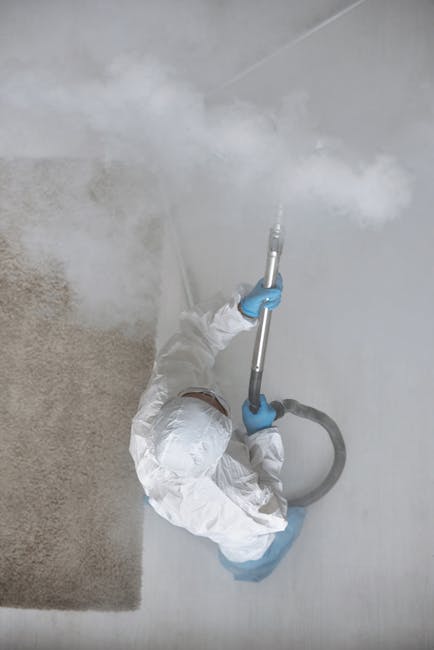
From there, the process normally follows a few simple stages. Loose debris is removed first. Then the stain is assessed. Then the appropriate cleaning product or technique is used. Depending on the method, that may involve hot water extraction, targeted stain treatment, controlled agitation, or dry compound cleaning. The aim is to lift the soiling while keeping moisture, heat, and friction under control.
Stain removal is where experience matters most. A food mark might respond to a mild detergent solution. Grease needs a different approach. Tannin stains from tea or coffee often need careful treatment, not just water. Protein-based stains, such as milk or pet accidents, are another category again. If a cleaner treats all of them the same way, the result can be disappointing. Or worse, the stain can set.
For carpets that are heavily used, a service such as professional carpet cleaning can be more effective than repeated home spot-cleaning. In some cases, especially where there is upholstery nearby, combining it with upholstery cleaning creates a much more complete result in the room.
Drying is the final part people often underestimate. Even a clean carpet can feel unfinished if it stays damp too long. Ventilation, room temperature, and how much moisture was used all affect drying time. On a grey Hampstead afternoon, with windows open just a little, that can matter more than people expect.
Key Benefits and Practical Advantages
The obvious benefit is a cleaner-looking carpet. But the real value is broader than that.
- Better appearance: Stains, traffic lanes, and dull patches are reduced, which immediately changes how a room feels.
- Improved freshness: Cleaning removes trapped odours from spills, pets, and general daily use.
- Longer carpet life: Grit and soil act like sandpaper. Removing them helps fibres last longer.
- More accurate stain treatment: A proper clean gives each stain the right chance of removal, rather than repeated guesswork.
- More comfortable living spaces: A fresher carpet can make the whole home feel more settled, especially in bedrooms and lounges.
- Better presentation for visitors or tenants: Useful before guests arrive, before a changeover, or after a busy season.
There is also a peace-of-mind element. Once you know a stain has been dealt with properly, you stop looking at it every time you walk past. That sounds small, but it really does change how a room feels day to day.
Who This Is For and When It Makes Sense
Rosslyn Hill carpet cleaning and stain removal Hampstead makes sense for a lot of different people. Homeowners use it when family life has outpaced the carpet. Tenants often need it near the end of a lease. Landlords want carpet presentation sorted before new occupants move in. Small offices and studios need floors that look cared for without becoming a maintenance headache.
It is especially useful if:
- a spill has already dried and you do not want to make it worse
- your carpet has visible traffic lines down hallways or living room routes
- pets have left odours or repeated spots in the same area
- you are preparing for guests, photos, or an inventory check
- you have tried DIY cleaning and the patch now looks larger than the original stain
- the carpet looks flat, tired, or slightly grey even after vacuuming
To be fair, many people wait until the carpet looks "bad enough." That is understandable, but not always the best timing. Earlier treatment is usually less invasive, less stressful, and often more effective. You do not need to wait for a crisis.
Step-by-Step Guidance
If you want a sensible process, start here.
- Identify the stain. Work out whether it is food, drink, mud, grease, ink, pet-related, or unknown. If you do not know, do not guess wildly.
- Blot, do not rub. Use a clean white cloth or towel to lift moisture from fresh spills. Rubbing pushes material deeper into the pile.
- Test a small area. Any product should be checked on a hidden patch first, especially on wool or older carpets.
- Use the correct treatment. Different stains need different solutions. A general cleaner is not always enough.
- Work from the outside in. This helps prevent the mark spreading into a larger ring.
- Control moisture. Too much liquid can soak the backing and make drying slower.
- Rinse carefully if required. Residue left behind can attract dirt and make the area soil again faster.
- Dry fully. Use ventilation and avoid heavy foot traffic until the carpet is properly dry.
If the stain remains after these steps, that is the point where a professional approach is worth considering rather than going in for another round of kitchen-cupboard experiments. Trust me, some stains are far less forgiving than they look.
For larger properties or more awkward post-renovation dust, after builders cleaning can also help tackle the fine debris that often settles into carpet fibres after work has been done.
Expert Tips for Better Results
Small habits make a big difference here. A few practical pointers can save a carpet from becoming a permanent project.
- Act early. Fresh stains are almost always easier than old ones.
- Use white cloths. Coloured fabrics can transfer dye, and nobody wants that surprise.
- Keep cleaning motions gentle. Pressure is not the same as effectiveness.
- Vacuum before treatment if possible. Loose grit can turn a stain treatment into a muddy smear.
- Check fibre type. Wool, nylon, polyester, and blends all respond differently.
- Do not over-wet edges. The stain can wick outward as it dries.
- Think about the room as a whole. If the carpet is dirty because the whole property is tired, cleaning only one patch may feel odd.
One little thing people forget: a stain can look smaller after the first wipe and then appear again when the carpet dries. That is usually not magic, just residue or moisture bringing soil back to the surface. Annoying, yes. Predictable, also yes.
If you are managing a whole home refresh, it may be worth considering domestic cleaning alongside carpet care so that skirting dust, entry areas, and nearby fabrics do not undo the results too quickly.
Common Mistakes to Avoid
Most carpet damage during stain removal happens because people are in a hurry.
- Scrubbing hard: This frays fibres and can drive the stain deeper.
- Using too much product: More cleaner does not mean more clean. Often it means more residue.
- Using hot water on the wrong stain: Heat can set some marks, especially protein-based ones.
- Mixing products: This can be risky and usually does not help.
- Ignoring drying time: Damp carpets attract dirt and can start smelling stale.
- Testing on the visible area first: That is how permanent patches happen.
- Assuming every stain is removable: Some marks fade, some lift almost completely, and some will only improve. Honest expectations matter.
A classic one is the "little bit more bleach should fix it" idea. No. That road has a habit of ending badly.
Tools, Resources and Recommendations
You do not need a cupboard full of specialist gear, but a few sensible tools help.
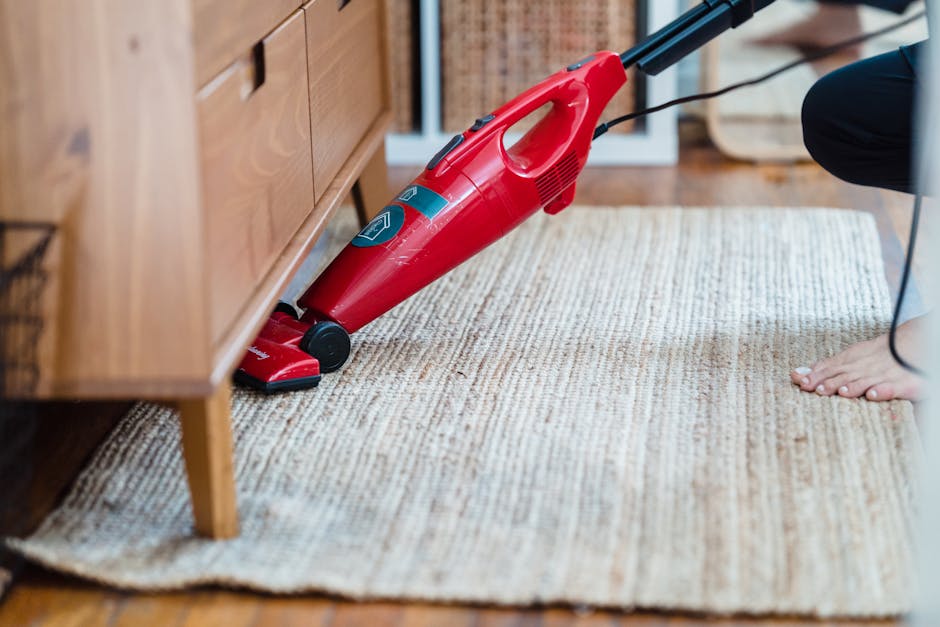
- Vacuum cleaner: Essential for removing loose grit before and after treatment.
- White microfibre cloths: Useful for blotting without dye transfer.
- Soft brush: Helps lift pile gently without aggressive scrubbing.
- Spot-cleaning solution suitable for carpets: Best chosen carefully and used sparingly.
- Dry towels: Handy for moisture control and pressing out excess liquid.
- Good ventilation: Open windows where safe and practical, or use airflow to speed drying.
For people comparing broader cleaning support, rug cleaning can be useful if the floor covering is not wall-to-wall carpet, and sofa cleaning can help keep nearby soft furnishings in step with the carpet. If one is cleaned and the other is not, the mismatch can be surprisingly obvious.
If you want a local service partner, it is wise to look for a cleaning company that is transparent about methods, offers sensible expectations, and gives clear pricing. That straightforwardness matters more than flashy promises.
Law, Compliance, Standards, or Best Practice
For carpet cleaning in a home or workplace, the most useful lens is best practice rather than dramatic claims. In the UK, cleaning providers should handle products and equipment safely, follow sensible risk assessment habits, and use processes that protect occupants, surfaces, and workers. If a property has children, pets, or allergy concerns, these practical details matter even more.
It is also reasonable to expect clear information about insurance, safety, and handling of cleaning chemicals. A customer should know what is being used, how long the area needs to dry, and whether there are any precautions after treatment. That is simply good service. Nothing fancy, just proper communication.
For commercial spaces, cleaning should fit around access, occupancy, and basic workplace safety. You would not want a wet, newly cleaned corridor to become a slip risk at the wrong time. Timing and signage are part of the job, even if people do not always think about them.
If you value accountability, review pages such as health and safety information and insurance and safety details before booking. And if payment confidence matters to you, payment and security guidance is worth checking too.
Best practice also includes respecting privacy and clear terms. If you are a cautious customer, that is not being difficult. It is being sensible.
Options, Methods, or Comparison Table
Different carpet situations call for different approaches. Here is a simple comparison to make the decision easier.
| Method | Best for | Strengths | Watch-outs |
|---|---|---|---|
| Vacuuming and light spot treatment | Fresh, minor marks and everyday soil | Quick, low disruption, inexpensive | Limited on old or set stains |
| Manual stain removal | Targeted spills like tea, coffee, or food | Focused treatment, useful for small areas | Risk of spreading stain if done badly |
| Hot water extraction | General deep cleaning and embedded dirt | Strong overall refresh, good for traffic areas | Needs proper drying time |
| Dry compound cleaning | Sensitive carpets or situations needing less moisture | Reduced drying time, useful in some settings | May be less effective on heavy soiling |
| Professional combined clean | Stubborn stains, multiple rooms, or mixed materials | More thorough and better matched to carpet type | Requires planning and a proper assessment |
There is no single "best" method for every carpet. The right choice depends on the fabric, the stain, the room, and how quickly you need the area ready again. That last one matters more than people think.
Case Study or Real-World Example
Imagine a lived-in first-floor flat near Rosslyn Hill. The hallway carpet has years of foot traffic, a couple of tea marks by the side table, and one darker patch where a pet had an accident months ago. The owner has tried a supermarket spray and a bit of brushing. The result? The tea marks are lighter, the pet patch smells less noticeable, but now there is a tide line around one spot. Not great.
A more careful approach would begin with identifying the fibre and testing the old marks first. The hallway would be vacuumed thoroughly, then lightly pre-treated, then cleaned in sections. The darker pet area might need a separate enzyme-type treatment, while the tea stain may respond better to a different solution. Dry towels and airflow would help prevent wicking. The final result would not necessarily look brand new, but the carpet would look more even, fresher, and far less distracting.
That is usually the real goal, by the way. Not perfection. Just a carpet that looks cared for and does not draw your eye every time you come through the door.
Practical Checklist
Use this before you start cleaning or booking help.
- Identify the stain if you can
- Check the carpet fibre and condition
- Vacuum the area first
- Blot fresh spills gently
- Test any product in a hidden spot
- Use the smallest effective amount of cleaner
- Avoid hard scrubbing
- Keep moisture under control
- Allow enough drying time
- Match the method to the stain type
- Consider professional help for old, large, or repeated stains
- Review safety, insurance, and payment information before booking
If you are also dealing with overall household clutter or a room that needs clearing first, house cleaning or even house clearance may be part of the bigger picture. Sometimes the carpet is not the only thing asking for attention.
Get a free quote today and see how much you can save.
Conclusion
Rosslyn Hill carpet cleaning and stain removal Hampstead is really about doing the basics well: understanding the stain, respecting the carpet, using the right method, and not rushing the process. That sounds simple, but it is exactly where the best results come from. A clean carpet makes a home feel calmer, a business feel more polished, and a room feel more like itself again.
If you take one thing from this guide, let it be this: the earlier and more carefully a stain is treated, the better your chances of a good result. And if the carpet needs more than a quick fix, a thoughtful professional clean can save a lot of time, effort, and second-guessing. Honestly, that relief alone is worth quite a bit.
There is a quiet satisfaction in walking across a carpet that feels fresh underfoot again. Small thing, perhaps. But small things make a home feel right.
Frequently Asked Questions
What is the best first step for a fresh carpet stain?
Blot the spill gently with a clean white cloth and avoid rubbing. Then work out what caused the stain before using any product. Speed helps, but care helps more.
Can old stains still be removed?
Sometimes yes, sometimes partly, and sometimes not completely. Old stains are harder because they have had time to settle into fibres or backing. They can still often be improved significantly.
Is steam cleaning the same as carpet cleaning?
Not exactly. Steam cleaning is often used loosely to describe hot water extraction, but carpet cleaning may also involve dry methods or targeted stain treatment depending on the carpet.
Why do some stains come back after cleaning?
This can happen when residue, backing moisture, or hidden soil moves back to the surface as the carpet dries. It is frustrating, but usually means the stain needs a different approach or better rinsing.
How long does a carpet usually take to dry?
Drying time depends on the method used, airflow, humidity, and carpet thickness. Lightly cleaned areas may dry fairly quickly, while deeper cleans can take longer. Good ventilation helps.
Should I clean a stain myself or call a professional?
If it is fresh and small, careful DIY treatment can be fine. If it is old, large, unknown, or already reacted badly to home cleaning, a professional is usually the safer choice.
Can all carpet fibres be cleaned the same way?
No. Wool, synthetic fibres, blends, and delicate carpets all behave differently. The wrong product or too much heat can cause damage, so fibre type matters a lot.
Does carpet cleaning help with pet odours?
It can, especially when the odour comes from surface soil or a recent accident. Older pet issues may need targeted stain and odour treatment rather than a general clean alone.
What stains are hardest to remove?
Grease, ink, dye-based spills, old pet stains, and some food or drink marks can be especially stubborn. The exact difficulty depends on the carpet and how long the stain has been there.
Will cleaning remove traffic lanes in hallways?
It often improves them a great deal. Heavy footfall can flatten fibres and leave dull tracks, so deep cleaning and careful pile treatment may brighten the area noticeably.
Do I need to move all furniture before carpet cleaning?
Not always, but moving smaller items helps the cleaner reach more of the carpet. Some larger furniture may stay in place depending on access and the service plan.
What should I check before booking carpet cleaning?
Look at the provider's cleaning approach, safety information, insurance details, pricing clarity, and whether they explain how different stains are handled. Clear communication is a very good sign.